
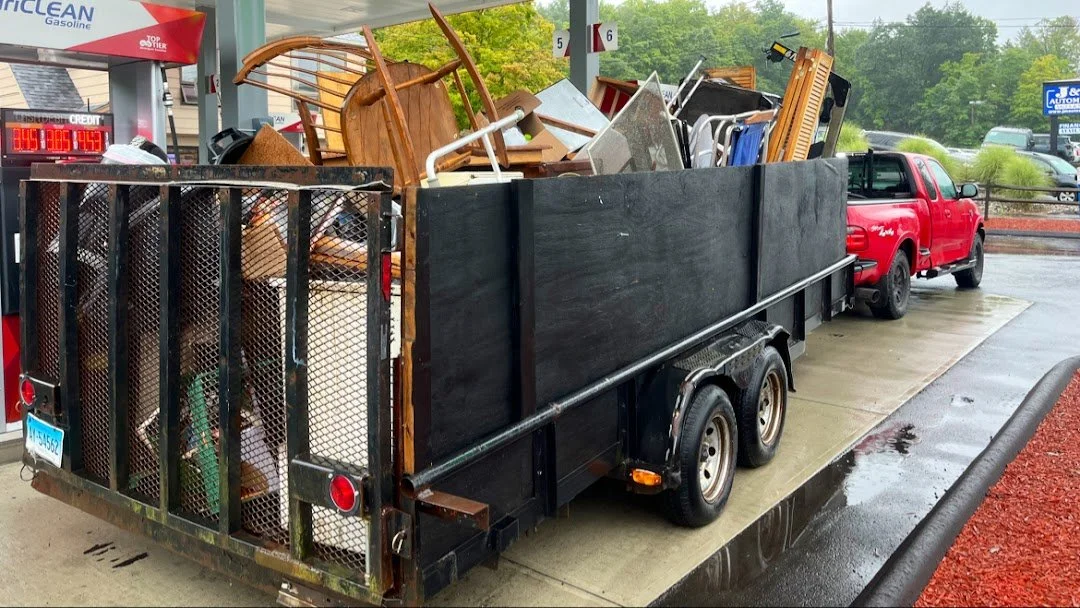

Most people scheduling debris removal worry about how much stuff they need hauled away. The size of that old couch, boxes of clutter, or construction scraps is the obvious price driver. But there’s another piece to this puzzle that doesn’t get much attention. How far the hauling company drives to dump your materials makes a real difference in what shows up on your invoice. junk hauling in Phoenix Arizona operates under the same principle, the location of disposal sites compared to your property creates actual price variations.
Travel expenses add up
The trucks hauling goods burn diesel, need oil changes, and rack up maintenance bills. The extra fifteen miles each way means three times as many jobs. Those miles cost money in ways that go beyond just filling the gas tank. Phoenix metro properties might sit five miles from one landfill but twenty miles from another. Companies pick their disposal locations based on what makes financial sense for their operation. If your house happens to be on the far edge of their service area, and the landfill sits even farther out, you’re looking at a longer haul than someone closer to their preferred dump site. Some haulers build these differences into their flat rates. Others adjust pricing job by job, depending on where you are.
Labor hours on the road
Truck drivers get paid whether they’re loading junk or sitting in traffic heading to the landfill. A crew that spends forty minutes driving to a disposal facility and forty minutes back has burned an hour and twenty minutes of payroll just on transportation. That same crew could’ve knocked out another small job if they only had a fifteen-minute drive each way. This productivity loss hits hauling companies hard. They only squeeze so many jobs into a workday, and long landfill runs eat into that capacity. The business has to make up for those lost opportunities somehow. Properties requiring long dump runs end up paying more because the company can’t turn around and serve another customer as quickly. It’s basic math for them, but it shows up as higher rates for you.
Dump fees aren’t standard
Landfills set their own prices for accepting waste. Some charge by the ton, others by the truckload. Municipal facilities sometimes offer lower rates than private operations. There are also costs associated with different types of materials. When disposal costs are lower, haulers may choose a landfill farther away. They’re doing the math on total trip cost, not just mileage. A facility eighteen miles out with cheap dumping fees could beat a closer site that charges premium rates. Either way, customers foot the bill for whatever combination the hauler picks. Your quote reflects their chosen balance between drive time and dump costs.
Special materials change routes
Certain items can’t just go to any landfill. Electronics need proper recycling facilities. Appliances with refrigerants require certified disposal sites. Hazardous materials have their own designated locations. These specialized facilities don’t exist on every corner. A standard household cleanout might head to the nearest general landfill ten miles away. But throw in some old computers or a broken refrigerator, and the haulier might need to detour to a specialised centre thirty miles in the opposite direction. These material-specific routing requirements get factored into pricing estimates. Jobs involving items with special disposal needs often carry higher rates because of where those materials legally must go.
Distance to landfills genuinely affects what removal companies charge per load through fuel costs, driver time, and routing logistics. Geographic realities combined with disposal regulations create the price differences customers see in their quotes.