
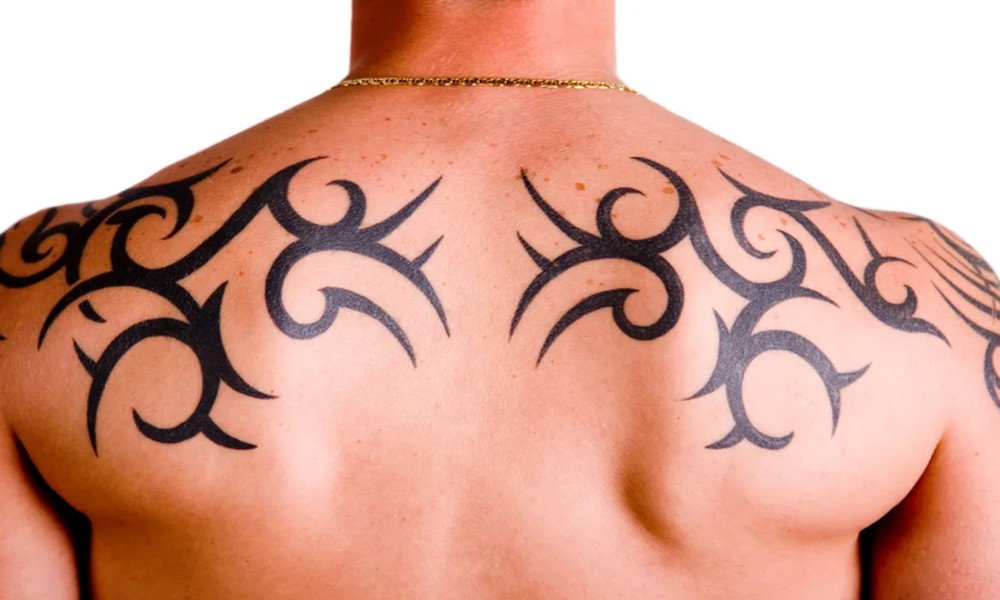

Tattoos have evolved far beyond decorative body art. For many people, they serve as deeply personal symbols-visual narratives etched into skin that reflect identity, memory, belief, or transformation. Every design choice, from a minimalist line drawing to an elaborate full-sleeve illustration, often carries emotional weight and intention. These “skin stories” can commemorate life-changing events, honor loved ones, express cultural heritage, or simply capture a moment in time that shaped who someone has become.
The process of selecting a tattoo frequently begins with reflection. Some individuals spend years considering a concept before committing, while others are inspired by sudden clarity after a meaningful experience. Symbols such as animals, flowers, celestial bodies, or mythological figures are commonly chosen because they carry universal meanings-strength, rebirth, protection, freedom-yet they become unique once connected to a person’s personal journey. Words, dates, coordinates, and portraits also appear often, anchoring memories in a permanent and visible form.
Personal Meaning Behind Tattoo Symbols
What gives a tattoo its power is not just how it looks, but what it represents to the wearer. A simple anchor might symbolize stability after a turbulent period in life. A phoenix may mark recovery from hardship. Floral designs can represent growth, loss, or renewal, depending on the story behind them. Even abstract shapes or geometric patterns can hold significance, reflecting balance, spirituality, or internal change.
Cultural and ancestral influences also guide many tattoo decisions. Traditional patterns, script, or iconography may connect someone to their roots, serving as a visible expression of heritage and pride. Others use tattoos to reclaim their bodies after illness or trauma, transforming difficult experiences into symbols of survival and empowerment.
How Style and Placement Shape the Story
Beyond symbolism, artistic style and placement play major roles in how a tattoo communicates its message. Fine-line work can suggest subtlety and intimacy, while bold traditional designs often project confidence and permanence. Realism may aim to preserve a memory exactly as it was, whereas illustrative or surreal approaches can reinterpret emotions and ideas more creatively.
Placement adds another layer of meaning. Tattoos on the wrist, collarbone, or behind the ear might be meant as quiet reminders for the wearer, while larger pieces on the back or arms may reflect a desire to share one’s story openly. Visibility, symmetry, and how the design moves with the body all influence how the narrative unfolds over time.
Ultimately, tattoos function as living records-artworks that age alongside the people who wear them. Each mark becomes part of a broader personal timeline, reminding the world, and the individual, of experiences, values, and transformations that define who they are.
This post was written by J Michael Taylor. J Michael Taylor is an artist and the owner of Black Amethyst Tattoo Gallery. Black Amethyst is the best among the St Petersburg tattoo shops. They provide an art-first approach to custom tattooing in a gallery setting.