
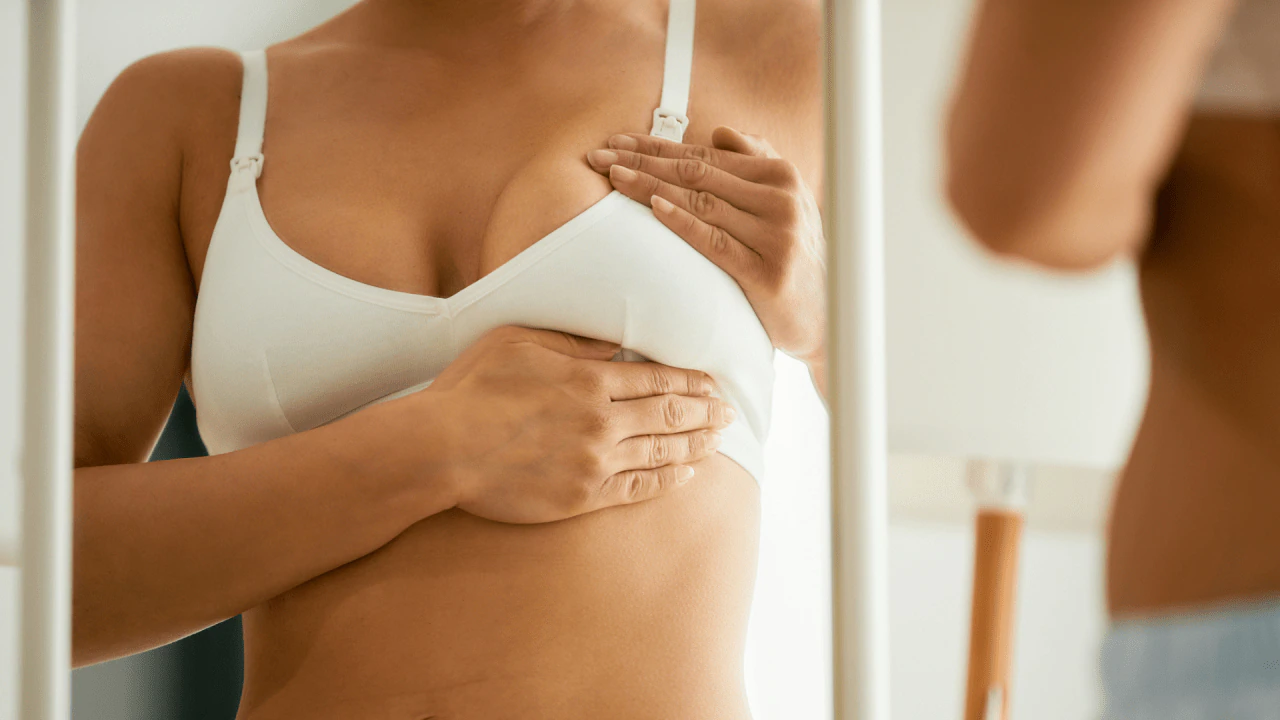

Dense breast tissue is a common problem among many women. It might elicit inquiries and concerns, particularly about mammograms and breast cancer risk. This article will cover some of the most often-asked issues concerning thick breast tissue, offering clear and comprehensive responses. For more information about Dense breast imaging, consult a healthcare professional today.
What are dense breasts?
Breast tissue comprises two major components: glandular tissue (which produces milk) and fatty tissue. Dense breasts include more glandular and fibrous connective tissue than fatty tissue. This is a common variation that affects over 50% of all women over the age of 40.
How do dense breasts affect mammograms?
Mammography shows both dense tissue and malignant tumors as white. This may make it more difficult for radiologists to distinguish between normal tissue and suspected abnormalities. As a result, women with thick breasts may be more likely to be called back for more examinations, causing unneeded concern.
How do doctors determine if you have dense breasts?
The radiologist who examines your mammography calculates the ratio of nonsense to dense tissue and gives a degree of breast density.
Density levels are described utilizing the Breast Imaging Reporting and Data System (BI-RADS). Letters are often used in mammography reports to record density levels. The density levels are as follows:
-
Almost entirely fatty
This means that the breasts are virtually entirely made up of fat. This condition affects around one in every ten women.
-
Scattered areas of fibroglandular density
There are some scattered pockets of density, but the bulk of the breast tissue is not dense. Approximately four out of ten women have this result.
-
Heterogeneously dense
Suggests that while there are isolated regions of non-dense tissue, the vast bulk of the breast tissue is dense. Approximately four out of ten women have this result.
-
Extremely dense
This suggests that almost all of the breast tissue is dense. This condition affects around one in every ten women.
Do dense breasts increase the risk of breast cancer?
While dense breasts are a risk factor for breast cancer, it is crucial to note that they do not always cause cancer. Other variables that influence breast cancer risk include family history and lifestyle choices.
What can you do if you have dense breasts?
The most crucial step is to speak with your doctor about your breast density and any concerns you may have. They can examine your specific risk factors and propose the best screening plan for you. Remember that early identification is critical in managing breast cancer, and frequent tests are required for all women, regardless of breast density.