
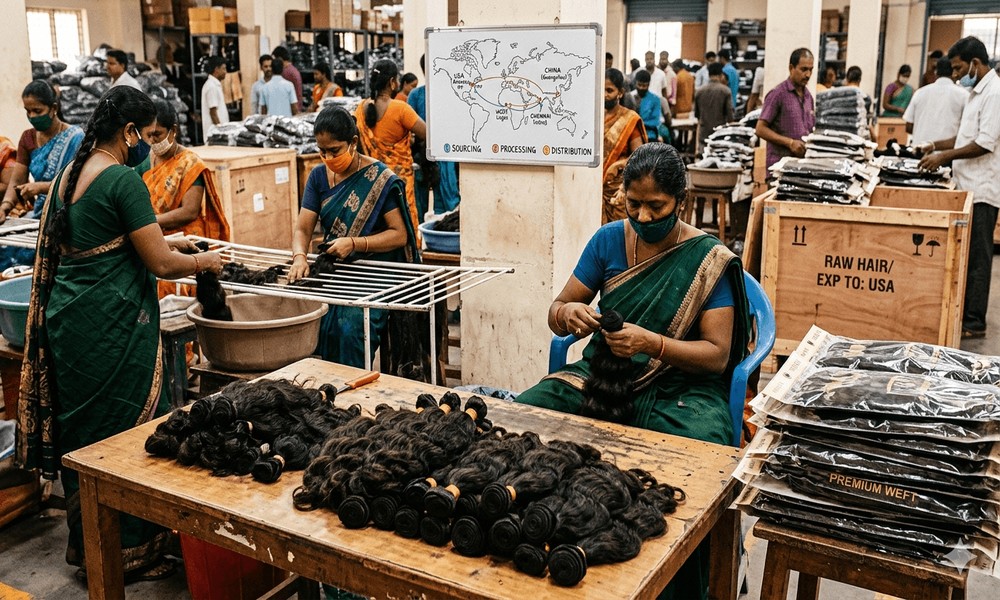

The market for textured hair products is often discussed through the lens of beauty, style, and self-expression, but the business story runs much deeper. Behind every bundle, closure, wig, or clip-in is a supply chain that affects product quality, retail pricing, customer trust, and brand survival. From sourcing and processing to international shipping, inventory planning, and compliance, every decision made behind the scenes influences what customers finally see on a product page. For brands serving textured-hair consumers, that chain matters even more because shoppers are often looking for realism, consistency, and cultural understanding at the same time. That means the strongest businesses are not simply selling hair; they are managing risk, protecting reputation, and building a supply system that can support long-term growth.
Why Supply Chain Strategy Matters in the Textured Hair Category
For customers who wear textured or natural-looking styles, African American Hair Extensions are not just another beauty product on a shelf. They represent fit, identity, styling confidence, and trust in a brand’s ability to deliver hair that blends well, performs consistently, and feels worth the price. That is why supply chain strategy matters so much in this segment. If sourcing is inconsistent, the customer may notice changes in texture, density, luster, or longevity almost immediately.
Unlike generic beauty categories where packaging can carry the experience, textured-hair brands are judged heavily on performance. A small shift in raw material quality, factory processing standards, or shipping conditions can create big downstream problems. Returns rise, reviews weaken, customer service costs grow, and the brand starts losing authority in a market where repeat trust is everything.
Sourcing and Pricing Are Closely Connected
The retail price of hair products is shaped by far more than what shoppers see in a cart. Brands must account for raw hair sourcing, sorting, labor, processing, factory relationships, freight, customs, warehousing, packaging, marketing, and platform fees. If just one part of that chain becomes more expensive, the final retail price often moves with it. That is one reason some businesses struggle to maintain stable margins while still meeting customer expectations for premium quality.
In textured-hair categories, shoppers looking for a realistic blowout finish often compare texture accuracy, fullness, softness, and durability before they buy. That is why brands competing in the natural-hair segment know that Best kinky Straight Hair Extensions are not won through marketing language alone. They are usually the result of better supplier selection, stricter texture control, smarter production standards, and fewer shortcuts in processing.
Pricing pressure also reveals which companies truly understand their operations. Some brands absorb cost spikes to protect loyalty. Others raise prices without improving quality, which creates skepticism. The most resilient businesses tend to balance both sides carefully: they educate customers on value while quietly improving sourcing efficiency behind the scenes.
Where Brand Risk Shows Up First
Brand risk in this category rarely starts with a dramatic public crisis. More often, it begins with small operational cracks that become visible over time. A delayed shipment here, an inconsistent curl pattern there, or a product that no longer matches past orders can slowly weaken confidence. In a market driven by customer referrals, reviews, and repeat purchases, that kind of erosion can be expensive.
Several risks tend to show up repeatedly for textured-hair businesses:
- Supplier inconsistency: one good batch followed by a weaker batch can damage repeat buyer confidence.
- Import disruption: freight delays, tariff changes, or customs issues can affect delivery promises and profit margins.
- Overprocessing: hair that is altered too aggressively may lose the realism textured-hair customers expect.
- Poor traceability: when brands cannot clearly explain origin, quality control becomes harder to defend.
- Misaligned branding: polished marketing cannot cover long-term quality gaps forever.
Modern consumers are also more informed than before. They notice when a company lacks transparency, avoids product education, or cannot explain why one texture behaves differently from another. That means trust is now part of the supply chain itself. If a brand cannot connect sourcing, quality, and customer messaging clearly, it leaves room for doubt.
What Strong Hair Brands Do Differently
The strongest brands in this space treat sourcing as a business advantage, not just a backend task. They build close supplier relationships, test products consistently, and pay attention to how the hair performs after washing, styling, coloring, and long-term wear. They also understand that not every customer wants the same thing. Some want softness and movement, others want realism for textured blending, and others care most about longevity. Smart supply chains are designed with those differences in mind.
These companies also invest in clearer positioning. Instead of selling everything to everyone, they define what each texture is meant to do and who it is meant to serve. That reduces confusion, lowers return rates, and creates better alignment between customer expectation and actual product experience. In practical terms, strong brands usually focus on:
Brands that take this approach are often better prepared for market shocks because they are not relying only on trend cycles. They are building systems that support reputation, retention, and sustainable growth. In a competitive category, that operational discipline can become just as important as great marketing.
Strategic Takeaways
The textured-hair market may appear consumer-facing on the surface, but its real strength is determined much earlier in the chain. Sourcing decisions affect quality. Logistics affect pricing. Processing affects realism. Transparency affects trust. When these elements work together, brands can create products that feel premium and dependable. When they do not, the customer usually notices faster than the business expects.
For any company operating in this category, the lesson is clear: long-term success is not only about selling beautiful hair. It is about building a supply chain that protects quality, supports honest pricing, reduces risk, and earns customer confidence over time. In this market, operational excellence is not separate from brand value. It is one of the clearest reasons customers stay.