
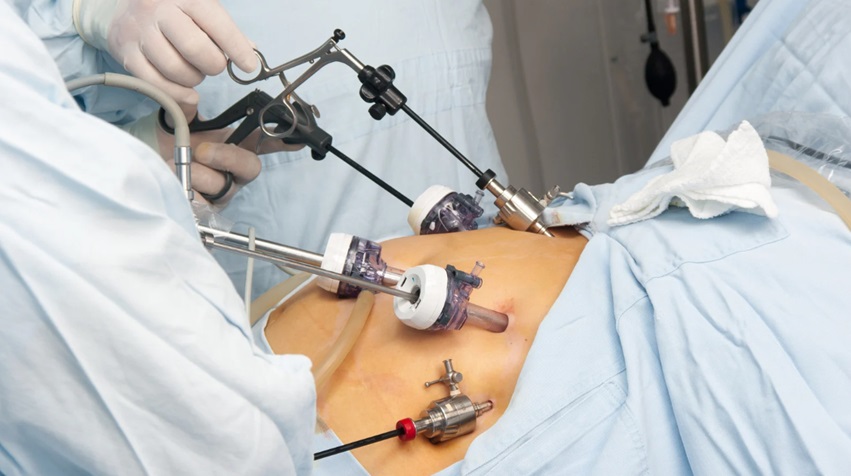

Managing obesity and its associated health risks, such as hypertension, can often feel like an uphill battle. Gastric sleeve surgery has emerged as a highly effective solution for individuals struggling with severe obesity and related conditions. For those exploring the gastric sleeve in New York, this procedure offers dual benefits of significant weight loss and notable improvements in blood pressure control, addressing the root causes of obesity-related hypertension.
Understanding Obesity-Related Hypertension
Hypertension, or high blood pressure, is a serious health condition frequently linked to obesity. Excess body fat increases strain on the heart, leading to higher blood pressure levels that can result in long-term cardiovascular complications if not addressed. By tackling obesity, gastric sleeve surgery plays a pivotal role in reducing these risks and improving overall health.
The Impact of Weight Loss on Hypertension
Significant weight loss lowers the workload on the heart and blood vessels, naturally reducing blood pressure. Gastric sleeve surgery, which involves removing a portion of the stomach to limit food intake, is instrumental in achieving this weight loss. Its effects extend beyond shedding pounds, offering improved metabolic health and better blood pressure regulation.
Hormonal Benefits
Additionally, the surgery alters hormone production, particularly ghrelin, also known as the hunger hormone. This change reduces appetite, making it easier for patients to adopt a healthier lifestyle. Improved hormone regulation further supports cardiovascular health improvement.
Why Gastric Sleeve Surgery is an Effective Solution
Beyond its mechanical and hormonal effects, the benefits of gastric sleeve surgery for obesity-related hypertension lie in its holistic impact on patient health.
Rapid and Sustainable Results
The weight loss facilitated by gastric sleeve surgery is both rapid and sustainable when paired with professional guidance. Early weight loss leads to prompt reductions in blood pressure levels, giving patients a clearer path toward long-term well-being.
Comparing Surgical Options
For individuals researching bariatric options, understanding the differences in gastric bypass vs gastric sleeve can help them make an informed decision. While both procedures are effective, the simplicity and reduced risk of complications associated with the gastric sleeve make it an attractive choice for many.
The Role of Lifestyle Adjustments Post-Surgery
While the surgery sets the stage for recovery, lifestyle adjustments are necessary to maximize its effects. Eating habits, in particular, play a significant role in maintaining results.
Diet as a Foundation of Success
Post-surgery, patients must pay close attention to their diet to prevent complications and sustain weight loss. Learning when to eat cheese after a gastric sleeve and other essential dietary tips ensures that individuals can gradually and safely incorporate various foods into their meals while avoiding potential pitfalls.
Staying Physically Active
Exercise complements the effects of gastric sleeve surgery by further reducing cardiovascular risks. Gentle activities like walking or swimming improve circulation and contribute to blood pressure management, making them integral to a comprehensive recovery plan.
Ongoing Support
Regular follow-ups with a medical team are crucial to monitor progress and address any challenges. These check-ins ensure that dietary changes, physical activity, and overall health are on track.
Conclusion
Gastric sleeve surgery provides a powerful solution for combating obesity-related hypertension by addressing the root causes of weight gain and its effects on the body. For those considering the gastric sleeve, this procedure can open the door to significant health improvements, from better blood pressure control to a lower risk of cardiovascular complications. When combined with a professional support system and lifestyle modifications, gastric sleeve surgery sets the stage for a healthier, more fulfilling life.