
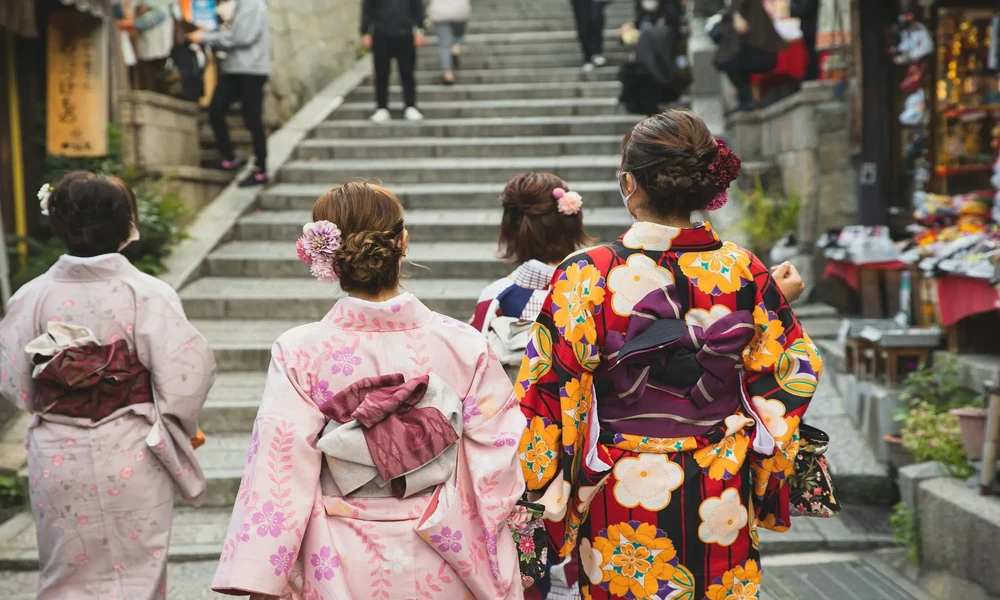

Japan moves forward into the future very fast. Neon lights and high-tech trains define the cities today. Yet the ancient soul of the country remains entirely intact. Old traditions face pressure from modern lifestyle changes everywhere. Communities work hard to protect their sacred heritage every year. Local people pass down deep cultural rituals to younger generations carefully. These seasonal celebrations connect the past with the modern present beautifully.
Festivals offer a rare window into authentic old Japan. Visitors can experience these lively events through organized travel now. Joining japan festival tours allows travelers to see these historic rituals up close. Travelers witness spectacular parades and beautiful traditional costumes in historic towns. These journeys help support small rural communities facing economic challenges. Tourism provides vital financial resources to maintain expensive festival gear. Local citizens feel immense pride when outsiders appreciate their culture.
Preserving Sacred Shinto Rituals Through Generations
Shinto rituals form the core of most summer celebrations. Priests perform ancient blessings to ensure good harvests and health. Participants carry heavy golden shrines through the crowded streets. These portable shrines hold local spirits during the noisy parade. The heavy structures require immense physical strength from the carriers. Young people learn the complex choreography from community elders. This collective effort strengthens the social bonds of the neighborhood.
The Role of Traditional Music and Dance
These large events feature traditional music. The musicians play wooden flutes and big drums energetically. The rhythmic pulses create a powerful, fascinating mood. Dancers perform perfectly to antique music. They tell intriguing Japanese folklore through elaborate dances. These performances can need months of practice. Historical-patterned hand-woven robes are worn by artists.
How Rural Communities Fight Cultural Decline
Many small villages face shrinking populations in recent decades. Young citizens often move to big cities for work. This migration threatens the survival of historic local festivals. But innovative community leaders find clever ways to adapt today. They welcome passionate outsiders to participate in the sacred rituals. This open approach brings fresh energy to aging rural towns. Cultural heritage survives because people open their doors wide.
Modern Technology Meets Ancient Festival Management
Modern technology helps organizers manage these large events safely. Digital maps guide huge crowds through narrow historic streets. Social media platforms promote regional celebrations to global audiences. Organizers use advanced materials to protect fragile antique costumes. LED lights now illuminate giant paper floats brilliantly at night.
The Global Impact of Cultural Tourism
International visitors bring global attention to regional Japanese customs. People travel across oceans to witness these unique spectacles. This global interest encourages governments to fund cultural preservation. Historic preservation laws protect ancient shrines and festival routes. Artisans receive grants to maintain their rare traditional crafts. Local economies flourish through sustainable and respectful tourism initiatives. The world helps Japan keep its beautiful history alive.
An Enduring Legacy for Future Generations
Japan balances rapid modernization with deep respect for history. Ancient festivals remain vibrant because people care deeply. These celebrations provide stability in a fast-changing modern world. You can feel the living history in every drumbeat. The spirit of the past guides the steps tomorrow. Ancient traditions will continue to shine brightly for centuries.