
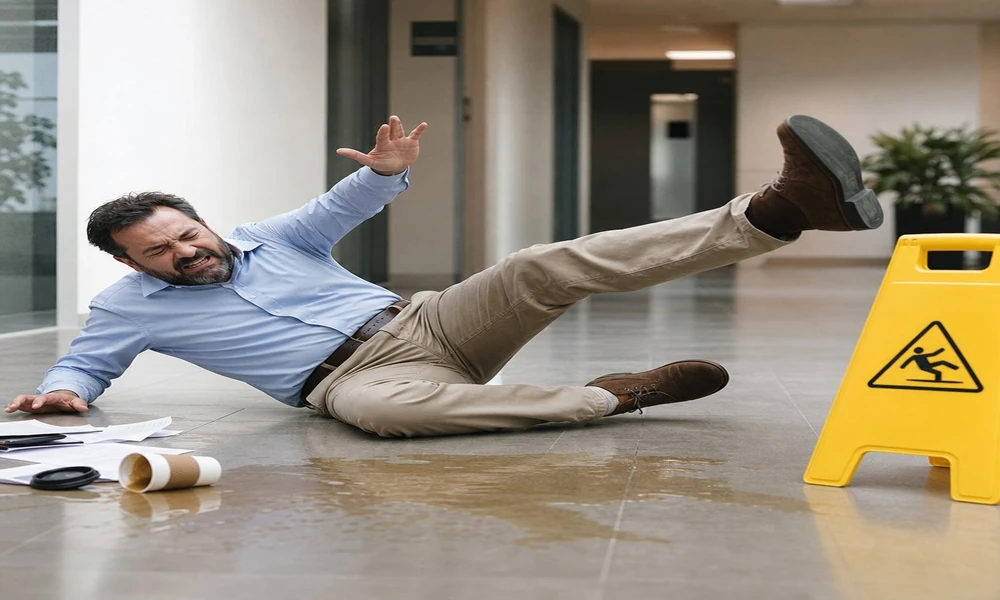

It starts with something mundane: the thin sheet of ice under a downspout, the layer of slush on the beige tile in a vestibule, or the black tread of a stair next to a handrail that moves when you pull it. It isn’t just the ice, though; it is the parties that were charged with maintaining that section of the property. Often more than one party was responsible for maintenance, inspection, lighting, or snow clearing.
Focus First on Whose Duty Covered the Location of the Fall
In many cases, it will be whose duty covered the exact spot of the fall. There will be distinctions, for instance, between an exterior staircase that serves all tenants and the doormat in front of one tenant. Look at the lines: painted lines in the parking spaces, a gate that locks, the number on the unit, a drain channel, the metal threshold between the apartment and the common area. Leases and maintenance contracts can shed light on these demarcations. It may be that the property manager schedules winter inspections and the contractor clears the lot and spreads salt, and yet the tenant is required to clear a small portion of the private balcony. It can get fuzzy if a shovel rests against a communal entrance, or a container of salt without markings sits below the mailboxes.
An Entryway or Vestibule Can Have Multiple Responsibilities
It is not always that simple, because snow doesn’t stay put. Boots track in slush through the first door, leaving it by a warped floor mat or making a thin sheet over a polished tile floor. Is there a runner, drainage mat, warning sign, or frequent mopping in the vestibule? If not, then a question may be raised as to how the property managed a foreseeable condition. There may be ownership by the landlord of the entryway, the scheduling of cleaning by the property manager, and an inspection of the entryway by a maintenance person during his or her rounds. The snow removal contractor may leave a ridge of wet snow by the entrance, leading to the melting and subsequent seepage of water under the rubber seal. There may be records of the last inspection of the floor, or the last replacement of the mats, or the date the squeaky closer on the outside door stopped functioning.
Slush and a wet floor mat inside an apartment vestibule
Outside Stairs May Show More Than Ice
Suppose there is a staircase where a short downspout sends water to the second step and that water freezes once the sun goes down. There is the ice, which is the immediate danger. But there is also the position of the downspout, a leaf-eaten gutter full of dead leaves, and a light that burned out on the wall. Other possible problems:
- A handrail with loose bolts, rust around the bottom
- Cracked concrete on the tread, creating a basin
- Motion light that turns off before a person reaches the landing
- Salt along the sides of the stairs, but not on the steps
The owner may be responsible for structural repair, and management for checking the lights (find more), and a contractor for treating the snow and ice. But these overlapping duties may create blind spots, such as the narrow landing behind the trash enclosure, where each party may assume another checked it.
Parking Lot Maintenance Can Include Issues of Timing and Scope
The parking lot may be plowed, but there may still be long stretches of refrozen runoff (as you can see at www.en.wikipedia.org/wiki). Water may flow from a mound of snow beside the fence, move past two poorly defined parking spaces, and refreeze next to the driver’s door of a vehicle. Ruts left in the snow by tires can obscure the slick surface until a shoe makes contact. There may be specifications in the contract of the contractor regarding how deep to plow, where to apply salt, when to return, or what to do after melt and refreeze. Management may be responsible for inspecting the drains and removing snow piles and responding to complaints. A maintenance request concerning the same stretch of ice, or perhaps the request made after the orange cones that had been blown onto the curb, may be relevant.
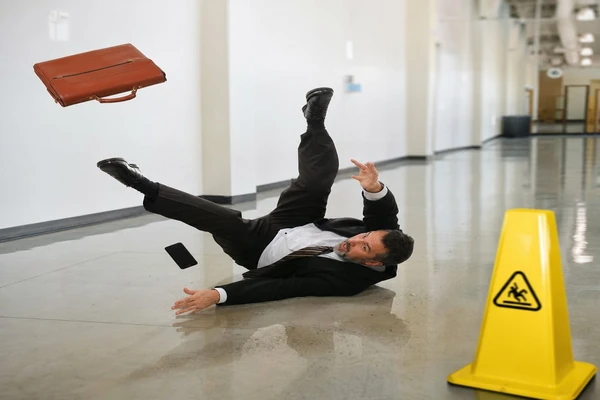
Refrozen runoff and snow piles in an apartment parking lot
Document the Details
Once a slip and fall happens, take pictures of the scene before footprints, salt, or thawing erase it. Photograph the downspout, the light, the bolts on the stair, the edge of the mat, the shovel, the path across the property. Wet sleeves, the cracked case of the phone, the grit in the tread of a boot may be helpful. Write down the time, the changing weather, and who saw the area. Keep records of the medical care, any maintenance requests, communications to management, and pictures of any swelling or bruises. Do not discard the shoes that were worn, even if the heel is damaged or the tread holds gray parking-lot slush.
Follow the Maintenance Chain
Falls in the shared areas of apartment complexes are often complex. The ice below the gutter, the saturated mat in the vestibule, and the rail that comes loose each involve separate maintenance activities. Careful documentation can assist in identifying the various responsibilities of the owner, manager, contractor, and any tenant that controlled the area.