
Sourcing bulk THCA flower from vendors demands a structured procurement process built on verification at every stage. Vendor selection at volume goes well beyond product availability. The best thca flower reaches wholesale buyers through vendors who maintain verifiable cultivation records, consistent batch output, and clear documentation standards across every supply cycle. Buyers who approach this process without defined criteria often encounter quality inconsistencies that create compounding problems across downstream distribution channels.
Vendor qualification criteria
Vendor qualification begins with a documentation review. Certificates of analysis from accredited third-party laboratories must be current, covering the full cannabinoid panel for each batch under consideration. Genetic strain records and harvest dates are requested alongside potency results to confirm that the supply comes from traceable cultivation rather than an aggregated stock of unclear origin. Cultivation cycle regularity, batch rejection history, and inventory consistency across seasons are each reviewed before any procurement discussion advances to terms. Buyers examine how long a vendor has operated at a bulk supply level as a direct measure of operational reliability. Vendors with irregular harvest cycles or gaps in batch documentation are removed from consideration before sample requests are made.
Sample evaluation process
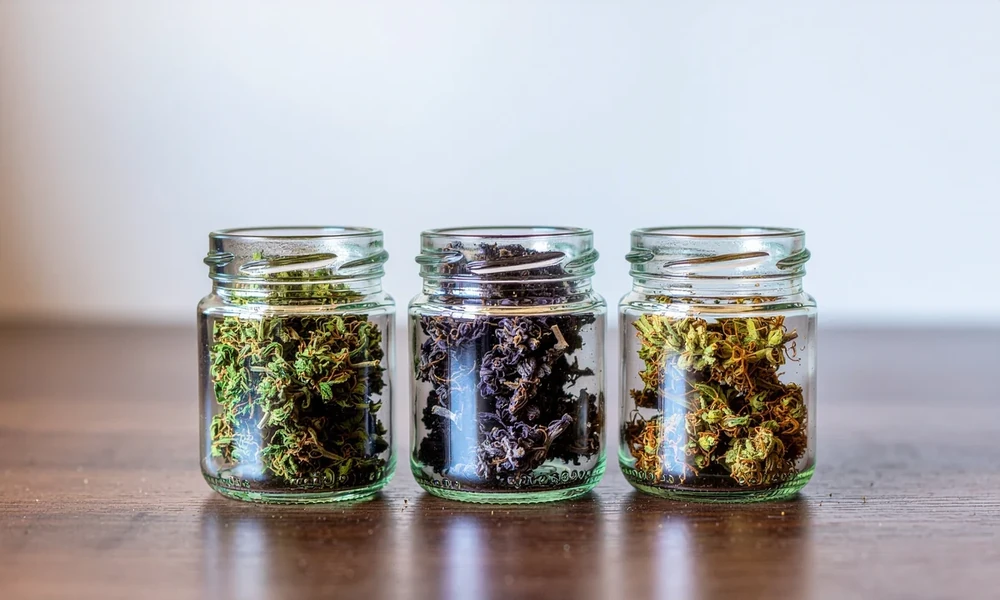
Samples must represent the exact batch being considered for purchase, not separate stock held aside for presentation purposes. Buyers examine trichome density, bud structure, trim quality, and moisture content as the first physical assessment before any volume commitment is made.
- Sample cannabinoid figures must align precisely with the batch certificate of analysis provided by the vendor.
- Moisture content is verified through independent measurement rather than vendor-supplied data.
- Trim consistency across the sample set confirms whether the full batch meets commercial-grade expectations.
- Bud density is assessed across multiple units within the sample to identify any structural inconsistency within the batch.
Negotiating supply terms
- Forward harvest visibility – Forward availability confirmed several weeks ahead allows buyers to plan inventory without dependence on irregular or last-minute stock. Vendors who provide cultivation schedules with projected output figures give buyers the planning capacity needed to fulfil their own distribution commitments reliably across each supply period.
- Written agreement structure – Supply agreements cover delivery schedules, minimum order commitments, batch replacement conditions, and documentation submission timelines. Vendors who operate professionally present written terms clearly, maintain records of each agreed condition, and provide written confirmation when any term within the agreement is amended during the supply relationship.
Ongoing vendor assessment
Ongoing assessment begins at the point of each delivery, with every shipment measured against the specifications agreed at the contract stage. Potency variance, structural changes, and moisture deviations are documented and raised with the vendor directly rather than absorbed into inventory without record.
- Batch consistency is tracked across consecutive orders to identify any pattern shift in supply quality at the earliest point.
- Documentation accuracy at each delivery is recorded against the vendor’s ongoing performance file for reference during contract renewal reviews.
- Cannabinoid panel results from each new batch are compared against prior batch data to confirm that potency remains within the agreed procurement range.
- Vendors who sustain consistent quality across multiple order cycles are advanced to preferred supplier status within the buyer’s procurement framework.
Reliable bulk sourcing results from treating qualification, sample review, term negotiation, and delivery assessment as fixed stages rather than optional steps in the vendor engagement process.