
Chaos at the loading dock rarely comes from one big mistake. More often, it’s a series of small inefficiencies, breakdowns, and safety oversights that snowball into serious costs. The right dock leveler is the safeguard that keeps your operation running smoothly, day after day.
Challenges in Loading Dock Operations
Few environments are as unpredictable as a busy loading dock. Trucks come in different heights, weather changes by the hour, and every product handled requires care. Without reliable equipment, even the best-trained teams face:
– Mismatched dock heights leading to slow or unsafe transfers
– Equipment jams halting shipments
– Increased risk of injuries from manual bridging attempts
Add in pressure to meet deadlines, and even a minor disruption can trigger delays throughout the supply chain.
Common Issues Impacting Efficiency and Safety
Aging or poorly selected dock levelers often struggle with heavy loads or uneven surfaces. Slips, trips, and falls become more likely, especially when teams are forced to improvise. Mechanical failures can bring the entire operation to a standstill, wasting valuable hours and risking costly cargo damage.
Costs of Downtime and Operational Disruptions
Every hour of downtime chips away at profits. Missed deadlines, overtime pay, and unhappy customers quickly add up. Over a year, the combined losses from even minor disruptions can dwarf the initial investment in proper dock equipment.
Risks Associated with Inadequate Dock Levelers
Using the wrong leveler, or neglecting maintenance, invites accidents. A misaligned platform or failed safety mechanism can lead to severe injuries, liability claims, and potential regulatory fines. These consequences highlight why the selection and upkeep of dock levelers are not details to overlook.
Key Features to Consider When Choosing a Dock Leveler
The best dock leveler for one facility may be a poor fit for another. A careful match is vital.
Types of Dock Levelers: Hydraulic, Mechanical, Pneumatic
– Hydraulic levelers operate with the push of a button and are ideal for high-volume, heavy-duty settings.
– Mechanical levelers rely on springs and manual activation, offering reliability at a lower upfront cost.
– Pneumatic levelers use air-powered systems for a clean and eco-friendly solution, especially where maintenance access is tricky.
Weight Capacity and Size Requirements
A dock leveler’s capacity must exceed the maximum load encountered, including the weight of forklifts and cargo. Too small, and you risk frequent breakdowns. Too large, and you increase costs unnecessarily.
Safety Mechanisms and Compliance Standards
Modern levelers offer features like anti-slip surfaces, safety lips to prevent roll-off, and interlocks for vehicle restraint systems. Compliance with safety standards protects workers and ensures uninterrupted operations.
Durability and Maintenance Needs
Look for robust construction, corrosion-resistant materials, and accessible maintenance points. The less you need to service the leveler, the more you can focus on moving goods.
Benefits of Using the Right Dock Leveler
Efficiency, safety, and savings all begin here.
Enhancing Loading and Unloading Efficiency
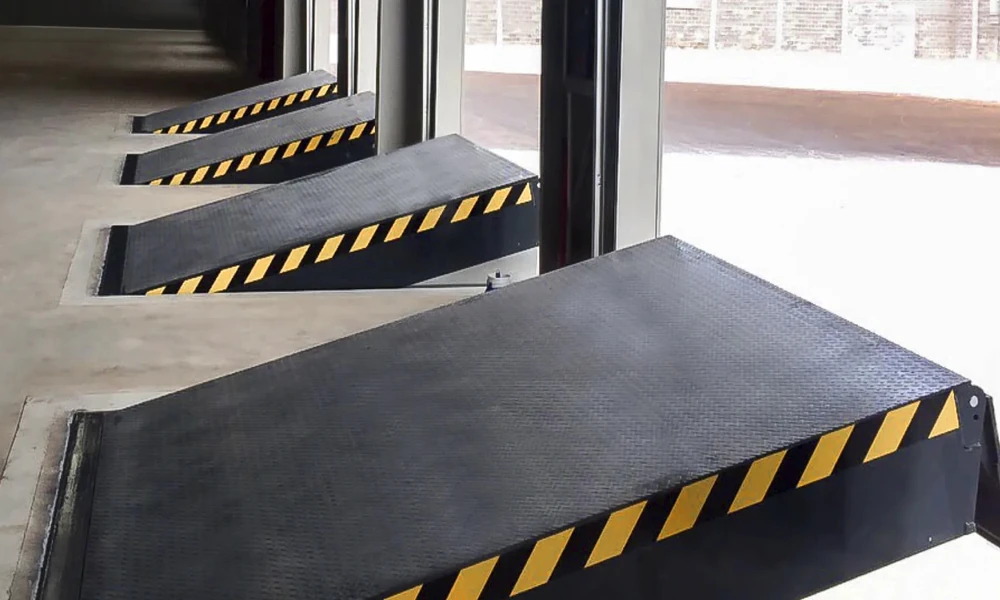
A precisely matched dock leveler bridges the gap between truck and warehouse floor, allowing forklifts to flow in and out without hesitation. This boosts throughput and reduces turnaround time.
Reducing Workplace Injuries and Accidents
Properly installed and maintained levelers keep surfaces level and stable, minimizing hazardous gaps and drops that can injure workers.
Lowering Long-Term Operational Costs
Durable, reliable levelers mean less downtime, fewer repairs, and reduced liability, protecting your bottom line over the years.
Overview of Dock Leveler Technologies and Innovations
Advancements in dock equipment have changed the game for logistics and warehousing.
Hydraulic Systems: Operation and Advantages
These systems excel in demanding, round-the-clock environments. They’re smooth, powerful, and require minimal physical effort from staff.
Mechanical Systems: When and Why to Choose Them
For smaller operations or tight budgets, mechanical levelers are dependable and straightforward. They work without complex controls or electrical connections.
Pneumatic Solutions: Features and Ideal Use Cases
Pneumatic levelers shine in clean environments or facilities prioritizing green technology. Their sealed systems resist dirt and moisture and are simple to maintain.
Integration with Retention Systems and Accessories
Combining levelers with truck restraints, dock bumpers, and advanced controls offers a safer, more efficient workflow. Accessories like lights or wheel chocks further improve visibility and safety.
How to Assess Your Facility’s Specific Needs
Each dock is different. Analysis is key.
Analyzing Traffic Volume and Load Types
Is your dock handling pallets of light goods or heavy machinery? Volume and weight dictate the right leveler class and capacity.
Environmental Factors and Dock Configuration
Outdoor exposures, temperature swings, and dock layout all influence the best equipment for your space.
Budget Constraints vs. Performance Requirements
Balance your must-haves with what you can invest. Consider operational savings from safer, faster loading when evaluating total cost of ownership.
Steps to Selecting the Ideal Dock Leveler
A methodical approach pays dividends.
Conducting a Site and Needs Assessment
Walk the dock, measure vehicles, and consult with operators. Identify current pain points and prioritize safety improvements.
Comparing Models and Manufacturer Support
Factor in warranties, service responsiveness, and reviews. Expert support can be the difference between a smooth install and years of frustration.
Planning for Installation and Training
Schedule installation during downtime if possible and ensure staff are trained on safe operation and daily inspections.
Maximizing Performance Post-Installation
Ongoing care is non-negotiable.
Regular Maintenance and Inspection Best Practices
Follow manufacturer guidelines, look for wear, and address issues before they escalate.
Troubleshooting Common Issues
Keep manuals accessible and know who to call if problems arise. Reliable service partners are indispensable.
Leveraging Accessories to Enhance Safety and Efficiency
Simple add-ons like dock lights, seals, or bumpers can make a significant impact on productivity and protection.
Taking Action: Partnering with a Trusted Supplier
Expert guidance makes all the difference.
Importance of Expert Consultation and Service
Suppliers who understand your industry can spot issues before they become expensive mistakes. This is where resources like Dor Docteur réparation de porte de quai prove invaluable, offering not just products but also repairs and tailored solutions.
Scheduling Installation and Ongoing Support
Timely installation and routine service visits keep your dock equipment in top form. Consider annual safety inspections as part of your plan.
Case Studies: Success Stories with Quality Dock Levelers
Many businesses see fewer delays, lower injury rates, and happier teams after upgrading their dock equipment. The pattern is clear: investing in the right dock leveler transforms loading operations from a source of stress into a model of efficiency.