

A dining table affects how a room feels and how a household functions every day. It supports meals, conversation, work, and gatherings, so the right choice needs to fit both the space and the people who use it. A table that looks good but fits poorly can create daily inconvenience that grows harder to ignore over time.
Many buyers start their search online and discover the perfect vintage table from Urban Americana or check similar options from other reliable furniture marketplaces before narrowing their final choices. That first step can be useful, yet the final decision still needs to rest on room size, seating needs, material quality, and daily use. The tips below can help narrow the choice in a practical and confident way.
Measure the Room First
Room size should guide the search before style takes over the decision. A table may look balanced in a photo and still feel oversized once it enters the dining area. Good measurements help prevent crowding and make the whole room easier to use.
Clearance matters as much as tabletop size. Chairs need room to slide out, and people need enough space to walk around the table without awkward turns or constant adjustment. A table that fits the room well will make the whole dining area feel calmer and more useful.
Match the Table to Daily Habits
Lifestyle should shape the table choice as much as design. A household that hosts large dinners needs a different table than a smaller home that uses the space for quiet meals and occasional work. Daily habits can reveal which size, shape, and surface will feel right over time.
Shoppers may discover the perfect vintage table from Urban Americana or check similar options from other reliable furniture marketplaces when they want to compare size, finish, and seating capacity. Even then, they still need to ask how the table will serve real life on an ordinary day. A strong choice should fit the way the household eats, gathers, and moves through the room.
Think About Shape and Flow
Table shape can change how the room functions. Round tables can soften a compact area and support conversation, while rectangular designs may suit longer rooms and larger groups. The best shape should work with the room layout instead of fighting against it.
Flow becomes easier when the table suits the natural path through the space. A narrow room may need a slimmer profile, while a more open dining area may support a broader shape without strain. Good flow can make the table feel like part of the room instead of an obstacle inside it.
Pay Attention to Material and Surface
Material and surface finish affect durability, upkeep, and visual character in a direct way. Wood can add warmth and depth, while glass or metal may create a lighter look, yet the best choice should also suit daily wear. A stronger purchase usually comes from a surface that fits the room well and handles regular use with less stress.
Plan the Full Dining Setup
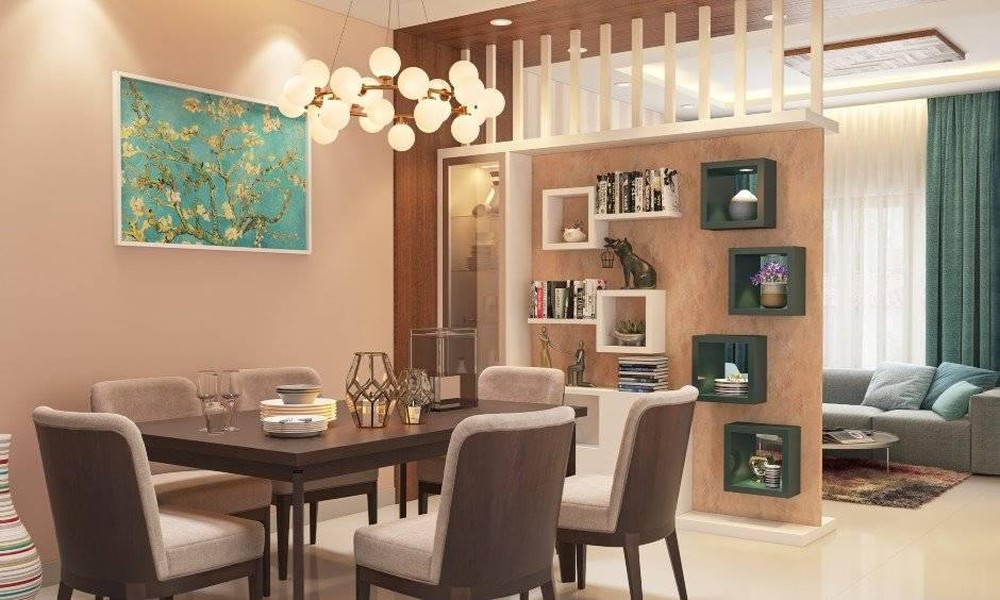
A table never works alone. Chairs, lighting, rugs, and wall space all affect how the final setup will look and feel once everything is in place. A strong dining area comes from balance across the whole arrangement.
A buyer may also discover the perfect vintage table from Urban Americana or check similar options from other reliable furniture marketplaces before deciding which style fits the dining room best. Even so, chair height, rug size, clearance space, and room flow all deserve the same level of thought. A smart purchase comes from seeing the full setup, not just the table on its own.
A dining table should fit the room, the routine, and the people who gather around it. Size, shape, material, and overall layout all deserve close attention before a purchase moves forward. When those details align well, the table can support comfort, function, and long-term satisfaction.