
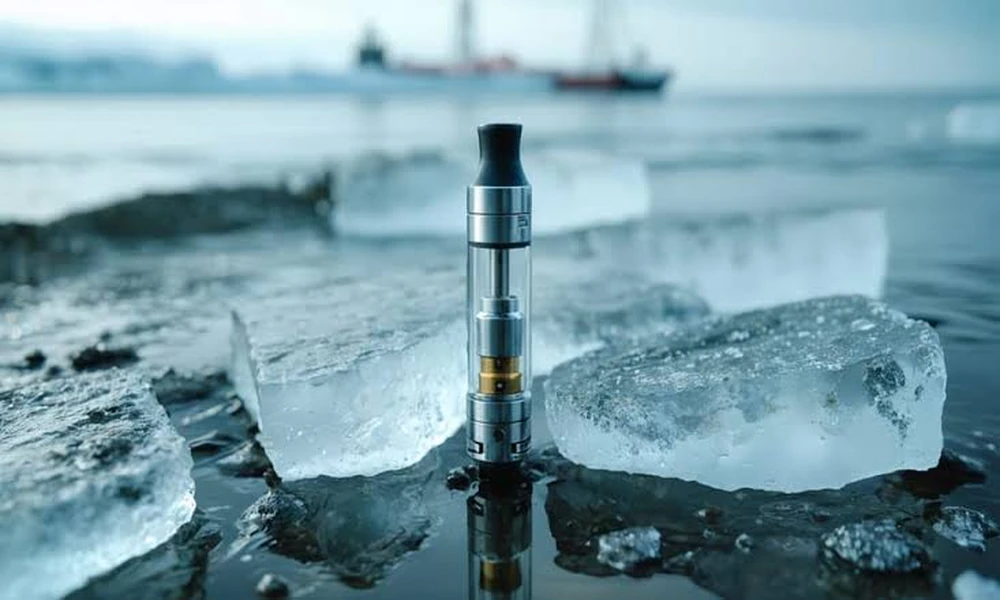

Experienced users prioritize compound accuracy, draw consistency, and production transparency over potency figures or packaging presentation when choosing THCA vape cartridges. Extended product history changes what matters in a cartridge evaluation, and the patterns that emerge from thca vape cart reviews written by experienced users consistently point to the same quality variables rather than the headline specifications most product descriptions lead with.
Hardware pairing knowledge
Most casual users plug a cartridge into whatever battery came in the box. Experienced users treat battery selection as part of the cartridge decision because the same cartridge performs differently depending on what it is paired with and how that pairing handles the specific oil type inside. 510-thread compatibility is just the starting point. There is the question of whether the battery output range matches the coil resistance closely enough so that the draw temperature is kept within the range where oil vaporises cleanly in response to the battery output range. When a high-output battery powers a low-resistance coil, the coil is running hotter than the oil requires, burning lighter terpene fractions before they reach the airpath. Experienced users treat coil resistance and battery output as a matched specification rather than two independent variables that happen to connect through the same thread.
Voltage calibration per oil type
Under heat, live resin behaves differently from distillate. Live resin is pushed past its vaporisation point before it can reach the airpath at the voltage setting that draws cleanly on a distillate cartridge. Dropping voltage when switching from distillate to live resin is not preferred. It is the difference between accessing what the oil actually contains and burning part of it on contact with the element. Experienced users calibrate voltage per oil type automatically after enough sessions, comparing what the same cartridge delivers at different wattage settings across different oil compositions.
- Lower resistance coils fire hotter at equivalent voltage than higher resistance alternatives, affecting terpene preservation differently across oil types with different vaporisation thresholds.
- Mid-range voltage paired with higher resistance coils produces more flavour-accurate draws from live resin than high-voltage low-resistance combinations built around vapour volume.
- Adjustable airflow lets experienced users control vapour density separately from temperature, adding draw quality control that voltage adjustment alone cannot provide.
Battery capacity across cartridge life
Output drops as the charge depletes. Draw temperature shifts slightly but consistently downward across a session as the battery moves toward the recharge threshold, and across a full cartridge, that variation accumulates into a draw experience that feels different in the second half than the first.
Experienced users pair high-volume cartridges with batteries carrying enough capacity to maintain consistent output from first draw to last without a recharge interrupting the cycle. Sessions straddling a recharge cycle feel different from those where the charge level stayed stable, and that difference only becomes noticeable after enough comparative use to recognise output variation as the cause rather than the oil or hardware declining.
Hardware pairing knowledge separates experienced users from casual consumers more clearly than any other variable. Coil resistance, battery output, charge consistency, and voltage calibration per oil type determine what a cartridge delivers across its full life, and that understanding accumulates through enough comparative use to become automatic.