
Obesity is more than just a number on the scale – it’s a serious health condition that can increase the risk of diabetes, heart disease, high blood pressure, and other metabolic disorders. While diet and exercise are important, many people struggle to achieve lasting results through lifestyle changes alone. For those facing severe obesity, bariatric surgery offers an effective solution. Among these options, duodenal switch surgery is a procedure that combines stomach restriction and intestinal rerouting to promote significant, long-term weight loss and improve metabolic health. Understanding how this surgery works and what to expect can help patients make informed decisions and take meaningful steps toward a healthier, more active life.
What is Duodenal Switch Surgery?
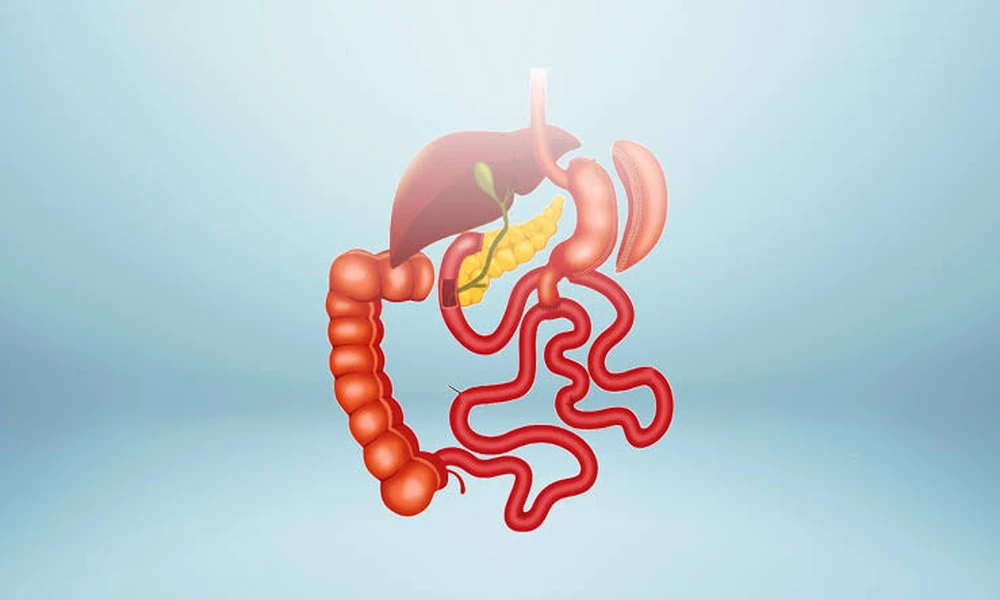
Duodenal switch surgery, also known as biliopancreatic diversion with duodenal switch, is a specialized bariatric procedure designed for significant and long-term weight loss. It works by permanently reducing the size of the stomach into a sleeve and bypassing a large portion of the small intestine to limit calorie and nutrient absorption. Unlike surgeries that only reduce stomach size, duodenal switch addresses both the quantity of food consumed and how the body absorbs nutrients, offering a more comprehensive approach for patients with severe obesity or metabolic conditions.
How Does the Procedure Work?
Duodenal switch surgery supports weight loss through two main steps that work together: reducing the size of the stomach to limit food intake and rerouting the small intestine to reduce calorie absorption.
Sleeve Gastrectomy (Restriction)
In the first step, a large portion of the stomach – roughly 70-80% – is removed, leaving a smaller, sleeve-shaped stomach. This limits how much food a patient can eat at one time while still helping them feel full.
Intestinal Bypass (Malabsorption)
Next, the small intestine is rerouted so that food bypasses a portion of the digestive tract. This reduces the amount of calories and nutrients absorbed by the body, further supporting weight loss.
Together, these steps create a powerful combination of restriction and malabsorption, making duodenal switch surgery one of the most effective options for patients seeking long-term weight loss and metabolic improvement.
Who May Be a Candidate for Duodenal Switch
Duodenal switch surgery may be suitable for patients who meet one or more of the following criteria:
- High BMI or obesity with related health conditions: Typically recommended for patients with severe obesity, including those with a BMI over 50. Individuals with lower BMI levels may also be considered candidates if they have obesity-related conditions such as type 2 diabetes, high blood pressure, sleep apnoea, or other metabolic disorders.
- Previous unsuccessful weight-loss efforts: Suitable for individuals who have tried diet, exercise, or other weight-loss surgeries without achieving long-term success, providing a more comprehensive approach to sustained weight reduction and metabolic improvement.
Recovery and Life After Surgery
Recovering from duodenal switch surgery is a gradual process. Here’s what patients can typically expect:
Hospital Stay and Early Recovery
Most patients spend 1-2 days in the hospital after surgery. During this time, the care team monitors vital signs, encourages gentle movement, and helps the patient begin hydration and recovery. Short walks and small sips of liquids are introduced to help the body adjust.
Structured Diet Progression
The post-surgery diet follows several stages to protect the digestive system and promote healing:
- Clear Liquids: Broth, water, and other simple liquids in the first few days.
- Full Liquids: Protein shakes and nutrient-rich liquids as tolerated.
- Pureed Foods: Soft, blended foods that are easy to digest.
- Soft Foods: Foods with gentle textures as recovery progresses.
- Protein-Focused Regular Diet: Gradually reintroducing solid foods with a focus on high protein and nutrient-dense choices.
Lifelong Supplementation and Nutritional Monitoring
Because the surgery changes how nutrients are absorbed, patients need ongoing vitamin and mineral supplementation. Regular checkups and blood tests help maintain essential nutrient levels and prevent deficiencies over time.
Exercise and Lifestyle Support
Physical activity is gradually reintroduced to support recovery and overall wellness. Short walks begin early, followed by more structured exercise as recommended by the care team. Long-term lifestyle changes, including a balanced diet and consistent activity, are essential for maintaining results.
Risks and Considerations
While duodenal switch surgery offers significant benefits, it’s important to understand the potential risks and considerations before proceeding.
- Surgical Risks: Duodenal switch is a major surgery, so there is a possibility of complications such as infection, bleeding, or leaks during or after the procedure. Advanced surgical techniques, such as laparoscopy and robot-assisted surgeries, and monitoring help minimize these risks.
- Nutritional Risks: Because the surgery reroutes the intestines and reduces nutrient absorption, patients are at risk for deficiencies in vitamins, minerals, and protein if supplementation is not properly maintained.
However, following a structured post-operative plan with regular checkups, adherence to dietary guidelines, and consistent supplementation is essential. Patients who maintain these habits greatly reduce the risk of complications and achieve better long-term weight-loss and health outcomes.
Take the Next Step Toward Better Health
Duodenal switch surgery is a life-changing procedure that combines stomach restriction and intestinal rerouting to help patients achieve significant, long-term weight loss while improving metabolic health. By addressing both how much you can eat and how your body absorbs nutrients, it offers a comprehensive solution for severe obesity and obesity-related conditions.
If you’re considering duodenal switch surgery, it’s important to choose a reliable and experienced bariatric surgical team that provides personalized care, comprehensive post-operative support, and advanced surgical techniques. For patients in Dallas, Fort Worth, Mansfield, or Plano, selecting a trusted facility, like DFW Bariatrics and General Surgery, ensures expert guidance, proper follow-up, and the best possible outcomes on your weight-loss journey.